
Health & Wellness
I Study Ageing for a Living—Here’s Why I Refused to Put My Father in a Care Home
Today, my 97-year-old father thrives at home—here’s what I learnt in Japan that made the difference.

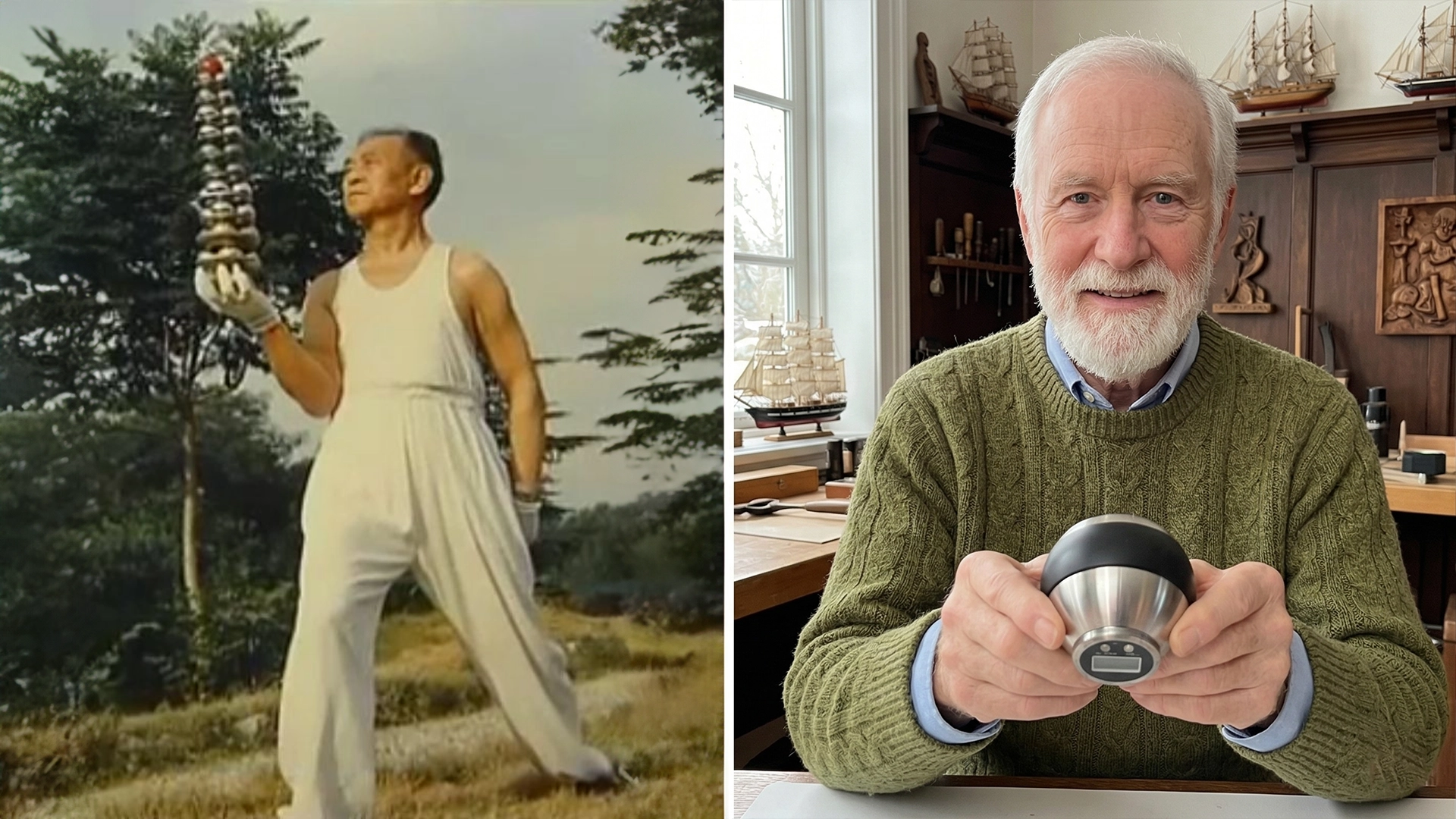
Every week, I tell families their loved one is showing signs of cognitive decline.
Every week, I watch them accept a care home as inevitable
But when it was my father’s turn, I refused.
Because after fifty years specialising in medicine for the elderly, I’d learned what actually causes memory loss — and more importantly, what stops it.
The pattern is always the same: forgotten names, misplaced keys, then the swift transition to full-time care.
“It’s just part of ageing,” my colleagues tell families. I’ve said it myself hundreds of times.
But when my father forgot my daughter’s name…
The man who built our family home from memory, who could recall the specifications of every joint and beam forty years later, stood in our kitchen staring at his granddaughter with panicked eyes.
“I’m sorry, sweetheart,” he whispered. “It’s right there. I know it’s right there.”
The care home brochures were already on my sister’s worktop.
As a 74-year-old doctor myself, I understood the fear of cognitive decline better than I wanted to admit...
But watching my father slip away, I realised I’d been part of a system that accepts memory loss instead of fighting it.
Then I found the data that changed everything: Japanese adults maintain cognitive function an average of 9.4 years longer than we do here in the UK.
The medical journals all pointed to diet. Fish. Green tea. Seaweed.
But something about that explanation felt incomplete.
The Discovery That Changed Everything

With my father’s independence at stake, I secured a research grant and flew to Japan to find answers.
For days, I followed the same disappointing trail of fish diets and green tea rituals. The nutritionists all repeated the standard wisdom.
But science couldn’t explain why Japanese minds remain sharp while ours fade.
Then I saw him.
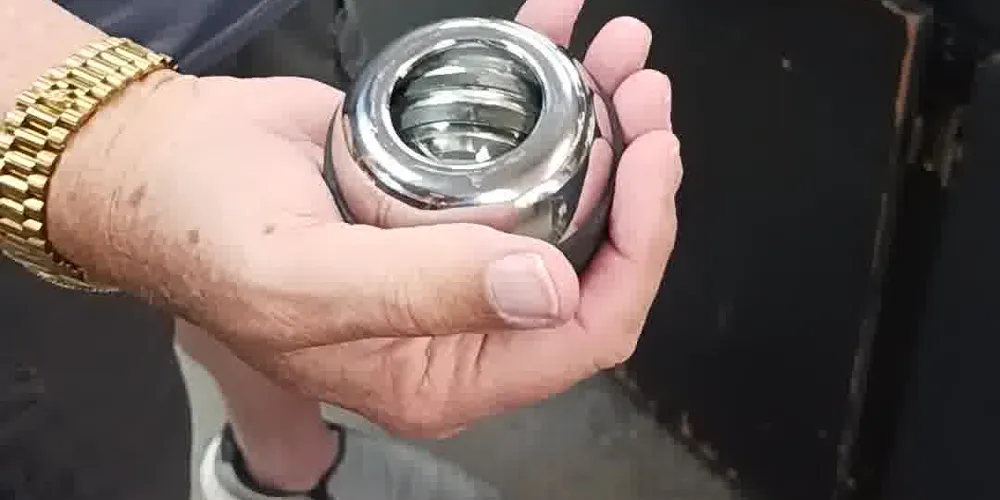
In a quiet corner of a Kyoto community centre sat an elderly man manipulating two metal spheres with the precision of a concert pianist.
I approached him. Through my translator, I learnt he was 92 years old.
“Baoding balls,” he explained, offering them for me to examine. “I have used them every day for forty-three years.”
Later, the centre director shared something remarkable.
Takeshi lived alone in a third-floor flat. No lift. No assistance. He prepared his own meals, maintained a garden, and taught calligraphy to children twice weekly.
“Has he always been this sharp?” I asked.
“Oh yes,” she nodded. “Many people here maintain their mental clarity well into their 90s.”
The next day, I asked Takeshi about his routine.

“Strong hands, strong mind,” he said, as if it were obvious.
As a doctor, I knew about the hand-brain connection. But I’d always dismissed it as correlation, not causation.
What if it was both?
What if idle hands weren’t just a symptom of cognitive decline — but a direct cause?
I thought of my father. His carpenter’s hands now sitting useless in his lap. The grandchildren whose names he sometimes forgot.
Baoding balls worked — Takeshi was living proof. But they took years to master.
My father needed help now.
What if we could combine this ancient wisdom with modern technology? Could we accelerate the results?
That question transformed me overnight — from doctor to inventor to reluctant entrepreneur.
Not for profit. Not for recognition.
But because I couldn’t bear the thought of my father’s mind fading when hope was literally in my hands.
That’s When I Created the NeuroBall
What if I told you the device that would change everything fits in the palm of your hand?
The first prototype looked ordinary. Just another exercise ball.
Then I pressed the power button.
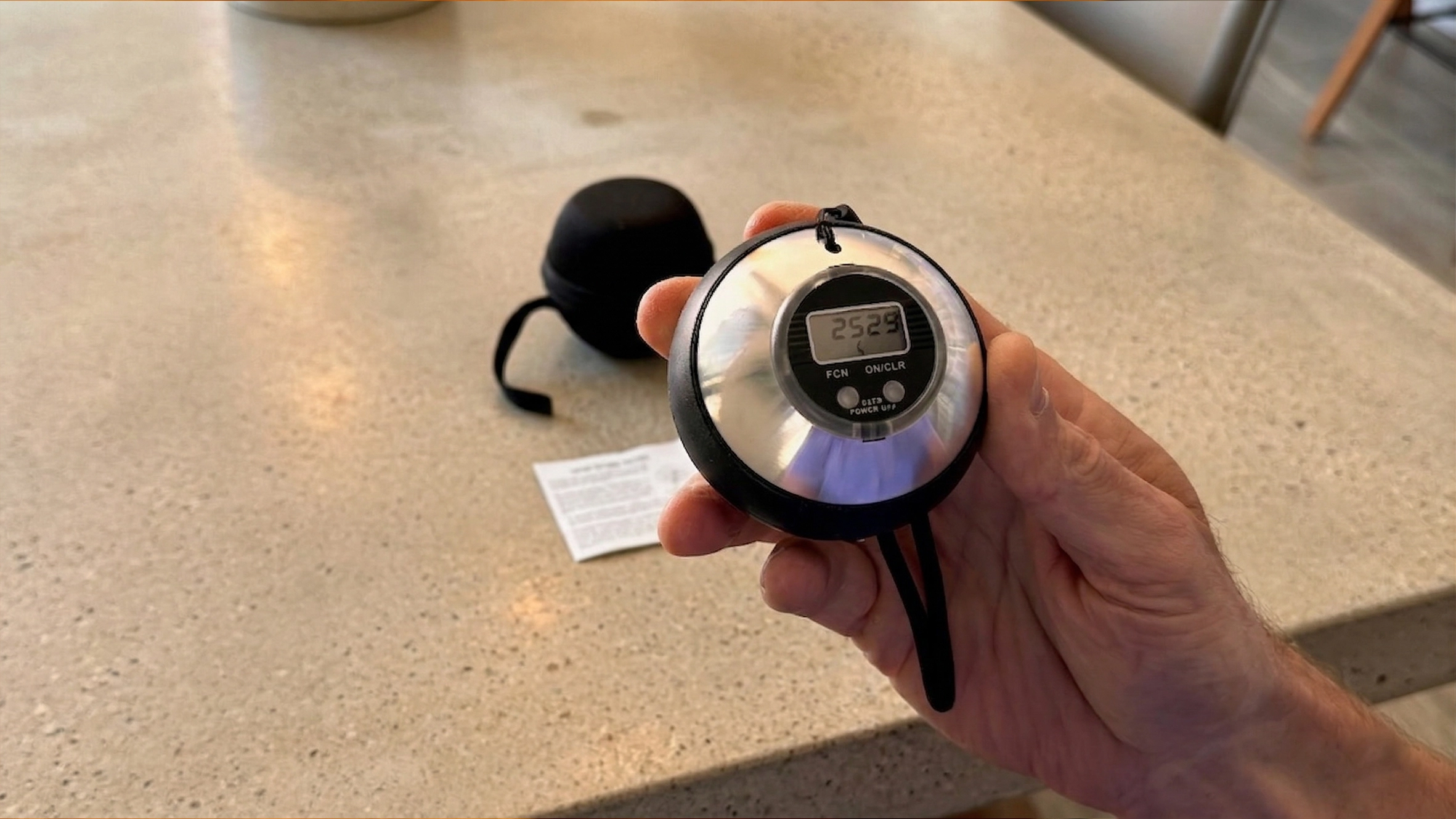
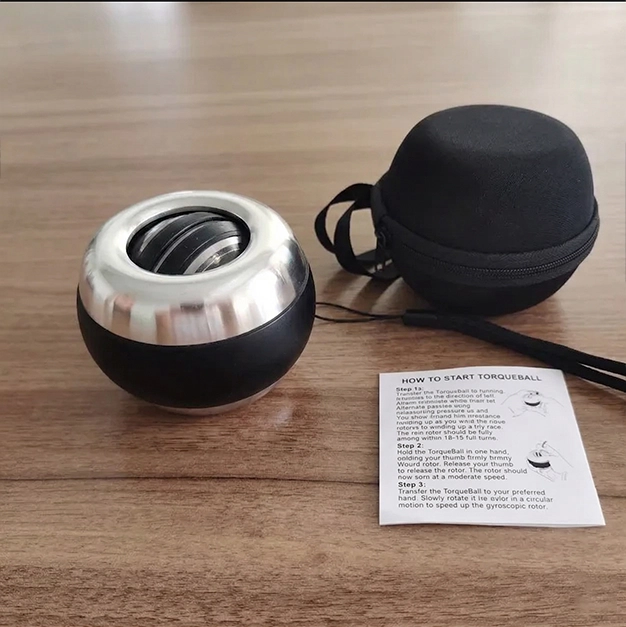
Inside this unassuming ball is a precision gyroscope that creates resistance that actually learns from your hand.
Every time you use it, it activates different muscle groups in precise sequence...
Keeping your hands constantly engaged, your neural pathways firing, and your mind sharp.
The small digital screen shows your rotation speed – your baseline score.
I didn’t realise then that this number would become the most watched metric in my father’s life.
A daily score that would tell the story of his mind coming back.
And all it took was 5 minutes a day.
My Father’s Journey Back to Clarity
First session score: 1,120 rotations.
“That’s terrible,” he said, staring at the little display.
“That’s a baseline,” I corrected. “Tomorrow will be better.”
Day 3: Mum called. “He won’t put that thing down. Does it during the news, during Countdown, even during adverts. Score’s up to 1,450.”
Day 7: 1,895. Dad greeted me at the door. “You’re early,” he said, checking his watch. “Thought you were coming at two.” He was right. I’d told him that three days ago.
Day 10: “He’s sharper during Countdown. Answering before the contestants. He hasn’t done that in over a year,” Mum reported, almost whispering like saying it too loud might break the spell.
Day 21: Score hit 3,200. Found him in the shed, not just organising tools—labelling them. In his own handwriting. “If I don’t write it down while I remember the right place for everything, I’ll forget again,” he explained.
The self-awareness was back. The mental clarity to plan ahead.
Day 42: I’ll never forget this afternoon.
“Where’s Dad?” I asked Mum.
She pointed toward the shed, hand over her mouth, tears streaming.
My heart stopped. Had he fallen? Was he hurt? Had the confusion returned?
I rushed to the shed and froze.
There was Dad, bent over his workbench, applying a finishing coat to a piece of oak. His hands — those idle, betraying hands—moved with smooth, steady precision.
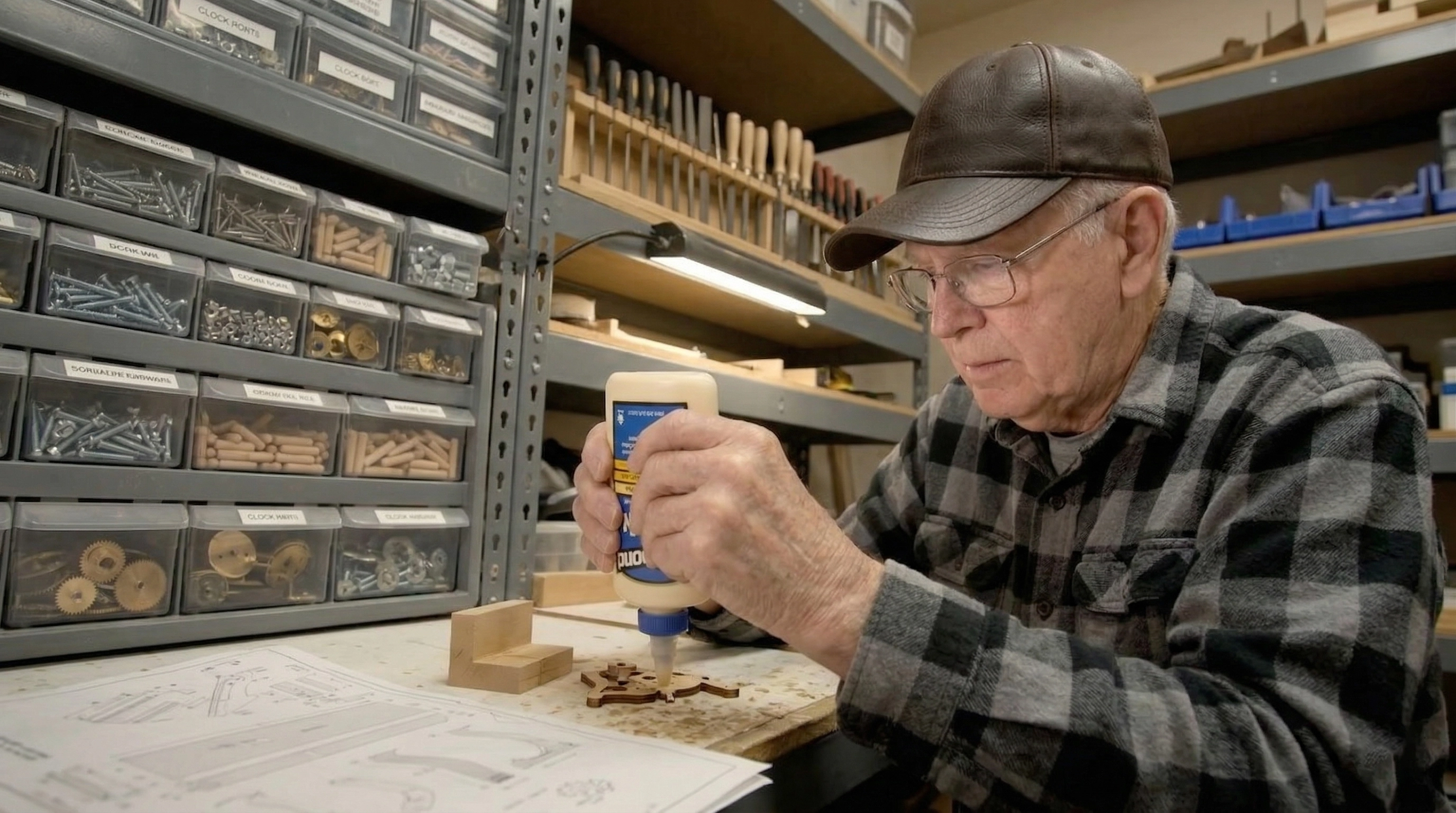
“Hey, son,” he said without looking up, focused on the brush stroke. “Making a birdhouse for the Johnsons. They’ve got robins nesting. Erithacus rubecula — same species that nested in our yard in ‘68. Remember? You were seven. We watched the eggs hatch together.”
The Latin name. The year. My age. Details I’d barely remembered myself. The care home brochures on my sister’s worktop flashed in my mind.
The hushed phone calls. The soul-crushing acceptance that his mind was slipping away from us.
And in that single moment, seeing him there, I knew it was all wrong.
His hands weren’t idle anymore. And because his hands were working, his memories had come flooding back.
That’s when I lost it. Really lost it.
“It’s okay, son,” he whispered, finally looking up with eyes that were perfectly clear. “I’m not going anywhere.”
Later, my sister called. “I threw out those brochures,” she said. It was that simple. The conversation we’d been dreading for months was over before it began.
His score that day? 8,954. But the numbers didn’t matter. The memories did.
The Science Behind the Magic
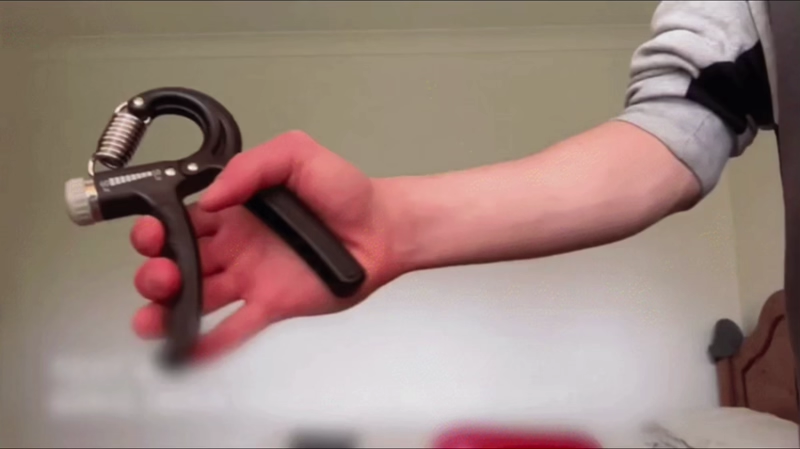
Look, I could bore you with medical journals and neural pathway diagrams. But here’s what you actually need to know:
Your hands are your brain’s lifeline.
Inside each hand: 34 muscles, 27 bones, and more nerve endings connected to your brain than your arms, legs, and back combined.
Traditional exercises are like trying to tune a piano by hitting one key over and over. Squeeze a tennis ball? That’s 3 muscles activated. Rubber band stretches? Maybe 5.
The other 29 muscles? They’re withering away. And so are the neural pathways that connect them to your brain.
The NeuroBall is different. Every motion engages every muscle. Every rotation sends thousands of signals firing through those critical hand-brain pathways.
The micro-contact surface forces your brain to rebuild neural pathways. Repave them. Create new routes.
You’re not just exercising your hands. You’re keeping your memories alive.
My colleague at Oxford called it “neuroplasticity in a ball.”
I call it hope with a power button.
The Ripple Effect
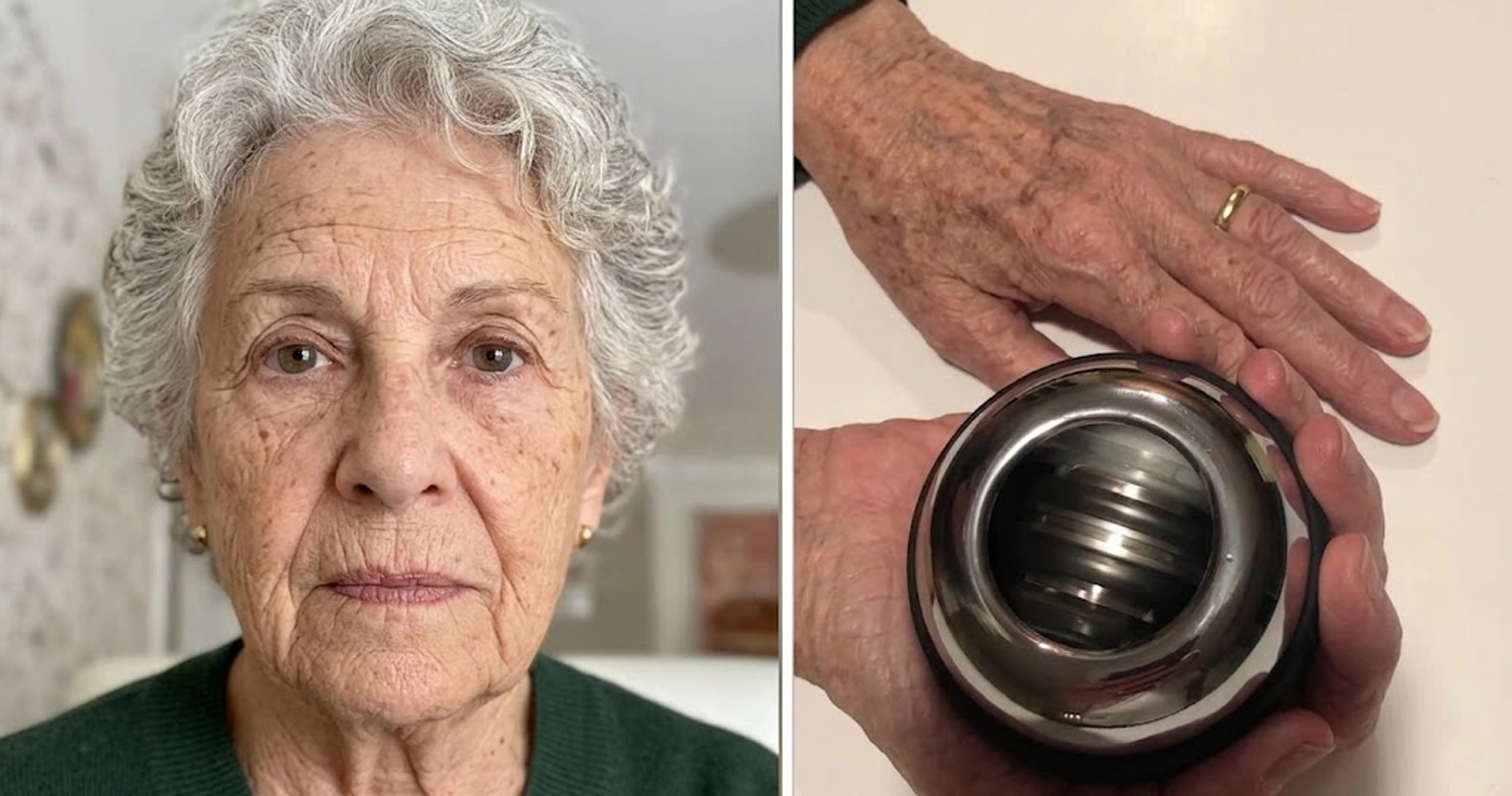
Word spreads fast in a small medical practice.
Especially when your 97-year-old father shows up driving himself, remembering everyone’s name, after two years of concerning lapses.
“What’s Bill’s secret?” they all wanted to know.
I started lending out our extra prototypes. What happened next convinced me this wasn’t just luck:
Margaret Wilson, 76, former Marks & Spencer board member: “I’d been dropping things for months. But worse than that, I’d forget I’d dropped them. Conversations would loop. My daughter gently suggested I had early-stage memory loss.
The care home tours started. ‘Memory care units are lovely now,’ they told me.
Three weeks with your father’s ball and something shifted. My hands worked again, yes. But my mind cleared. I stopped asking the same questions twice. I remembered appointments without checking my phone.
Last week I hosted my book club. Twelve members, three hours of discussion. I remembered every character, every plot point, every member’s opinion from last month.
My daughter quietly cancelled the care home tours.”
Richard Weisman, 83, retired BBC nature photographer: “When your hands shake, you can’t focus a lens. When you can’t work, you start to lose it. Simple as that. I’d been a photographer for sixty years—my hands were my livelihood. When they started failing, everything else felt like it was slipping too.
Six weeks with NeuroBall changed everything. My hands steadied first. Then my mind followed. I started remembering shot compositions from assignments 40 years ago.
Last Tuesday, I shot a hummingbird at 300mm. In flight. Tack sharp. But here’s the real miracle: I remembered the exact location I’d photographed that same species in 1987. Costa Rica. Cloud forest. Third week of March.
As long as I can work, I stay sharp. This thing keeps me working.

Patricia Martinez, 68, commercial real estate investor: “You know what’s terrifying? Sitting in a £2.3 million negotiation and forgetting the terms you agreed to ten minutes ago. I started keeping excessive notes. Triple-checking everything.
My business partner took me to lunch. The bad kind of lunch. ‘Patricia, maybe it’s time to think about stepping back.’
Got this thing from Dr. Evans. Felt silly at first, spinning a ball while watching the news. But two months later, I’m in a meeting and I catch myself citing numbers from memory. No notes. My assistant looked at me funny.
Last week I closed a waterfront development deal. Afterwards the attorney said, ‘You’re sharp as ever, Ms. Martinez.’
‘Ever’ meant something different than he knew. I almost cried in the parking lot.
The Production Challenge
Here’s the part I hate writing.
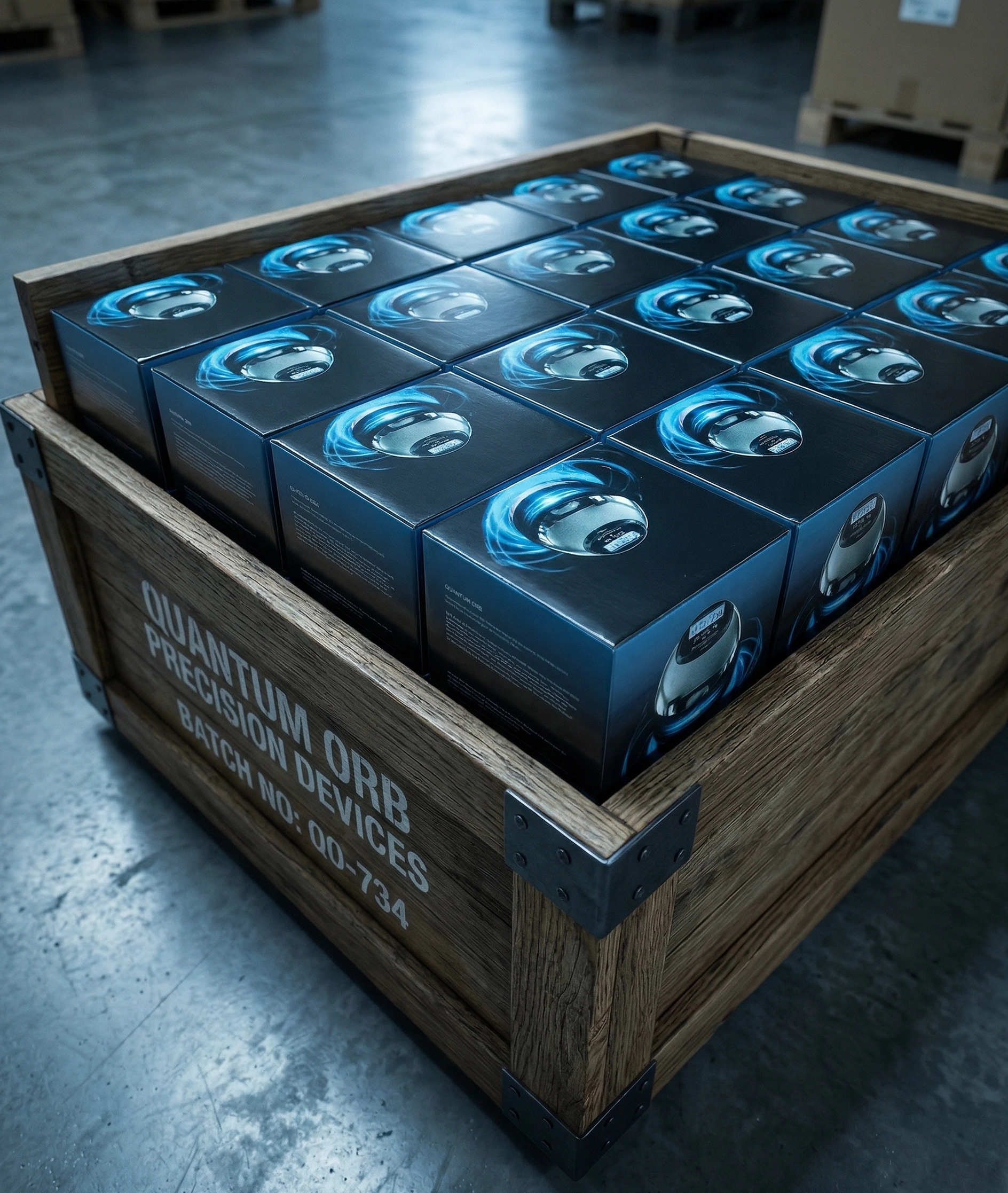
Because of the surge in demand, our greatest challenge isn’t selling the NeuroBall—it’s making them.
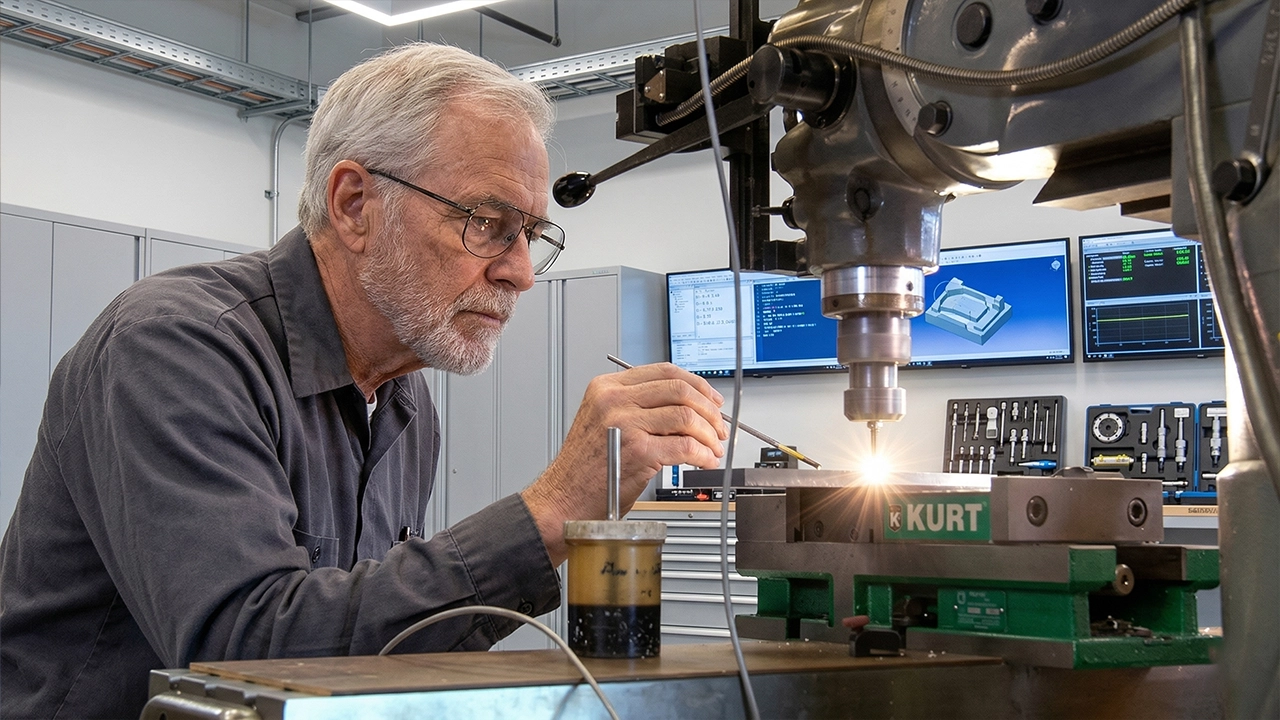
The core of each device is a precision-calibrated gyroscope, balanced by hand by my lead engineer, Michael.
Michael can only personally calibrate and stress-test around 150 units per week.
A larger firm offered to automate the process. Their test batch had a 40% failure rate after 30 days. For them, that’s an acceptable number.
For me, sending a 40% failure rate to older people fighting to keep their memories is unthinkable.
So, we stick to Michael’s obsessive, hand-calibrated method. “These are going to 97-year-old hands that rebuilt Britain,” he says. “We’re not cutting corners.”
Once they’re gone, the “Check Availability” button will redirect to our waiting list. We hope to have the next batch ready in 3-4 weeks, but the materials shipments have been unpredictable.
My “Prove Me Wrong” Guarantee
I know you’re skeptical. In a world of miracle cures and empty promises, you should be.
That’s why I’m making this decision completely risk-free for you.
The price for a NeuroBall is £69.
But I want you to think of it as a fully refundable deposit.
Here is my personal promise:
Get the NeuroBall. Use it for just 5 minutes a day. Watch the number on the digital screen.
If, within 90 days, you don’t feel a noticeable difference in your grip…
If your hands don’t feel more capable and engaged…
If your mind doesn’t feel sharper, clearer, more present…
Or even if you just don’t like the way it feels…
Simply send us an email. We will refund every single penny. No questions asked.
You don’t even have to send the NeuroBall back.
You read that right. If it doesn’t work for you, you get your money back and you can give the device to a friend or neighbour who might benefit.
Why would I make such an offer?
Because the return rate is less than 1%. It works. And I know that once you feel that satisfying whir in your palm and feel your mind sharpen in response, you won’t dream of sending it back.
I am willing to bet the entire cost of the product on your results. We also include something I wasn’t expecting: Dad’s letter.
He insisted on writing to everyone who gets a NeuroBall.
Mum says she can’t read it without crying. Something about “one craftsman to another” and “hands that still have work to do.”
The Bottom Line
I think about Takeshi often. 92 years old, teaching calligraphy, living fully, mind sharp as ever.
All because someone taught him a simple practice 43 years ago: Never let your hands go idle.
You might be reading this with hands that aren’t quite what they used to be.
Maybe you’ve noticed the little betrayals. The tremors. The forgotten names. The repeated questions.
Or maybe you’re watching someone you love fade into confusion.
Believing it’s inevitable. Natural. Just what happens.
It’s not.
The Japanese figured out 400 years ago what we’re just learning: Idle hands invite cognitive decline. Active hands preserve the mind.
Guard your hands well, and they’ll guard your memories.
Dad’s 97 now. Yesterday, he installed a ceiling fan. Last week, he taught his grandson to whittle. Tomorrow, who knows?
But I know this: He won’t be in a care home. Not this year. Not next year. Maybe not ever.
All because his hands never went idle.
And neither did his mind.
See If NeuroBall Is Still Available >>
About Dr. Samuel Evans

Dr. Samuel Evans, MD, is a board-certified geriatric specialist with over 50 years of experience in care of older people. As the Director of the Independence Research Institute and former Chief of Geriatrics at a leading NHS Trust, he has dedicated his career to helping older adults maintain their autonomy and quality of life. His groundbreaking research on grip strength and cognitive function has been published in leading peer-reviewed medical publications. Dr. Evans regularly speaks at international conferences on innovative approaches to ageing and independence, and serves as a consultant for multiple care facilities across the UK.
Patient Results
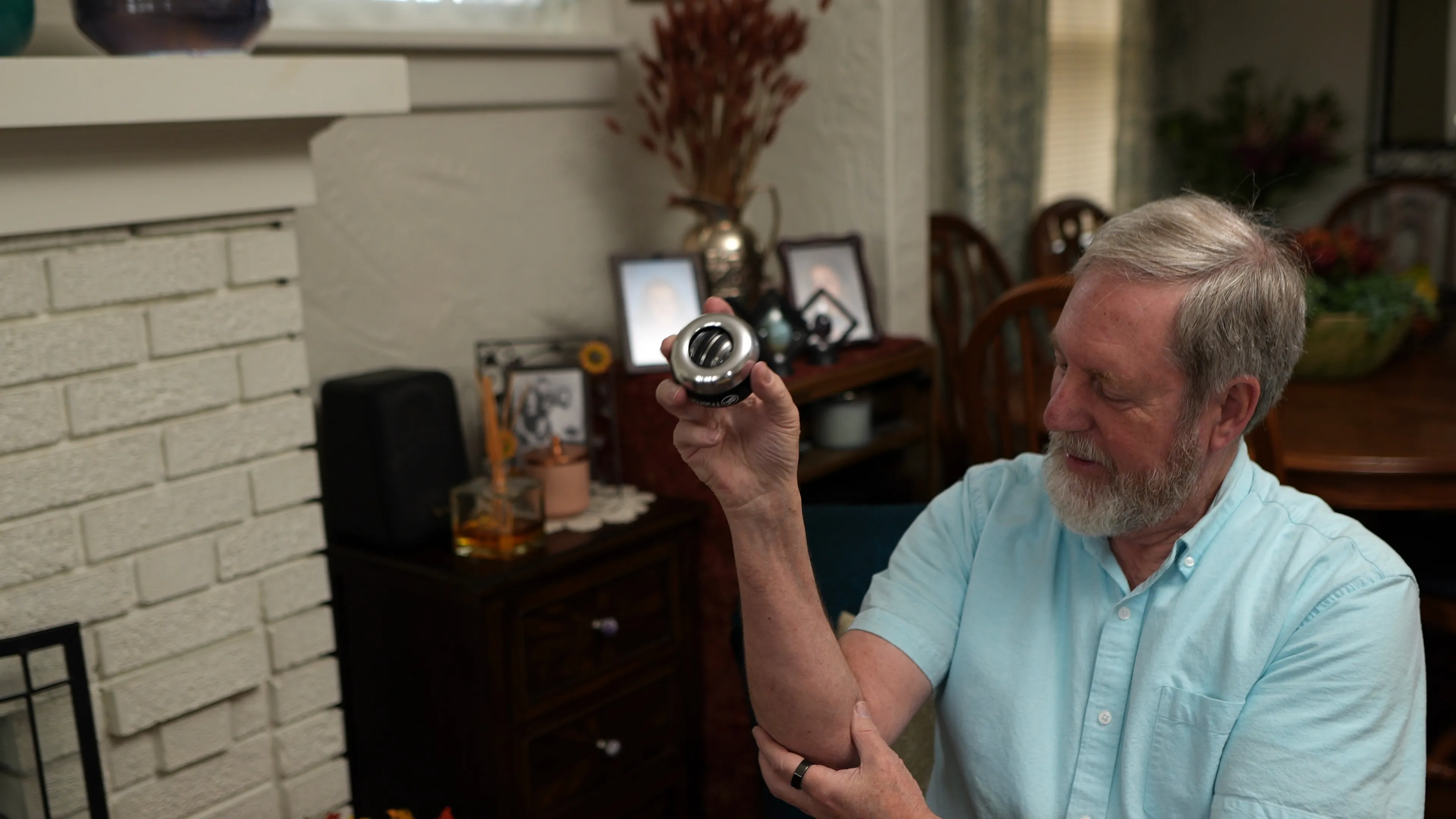
Residential memory care costs thousands of pounds a month here. Got Dad the
NeuroBall after reading this article. He grumbled at first
but now won't put it down. Uses it during cricket highlights.
Within weeks, he stopped asking me the same questions
three times. Started remembering his grandchildren's names
again. Best £69 I ever spent.
- Don C.
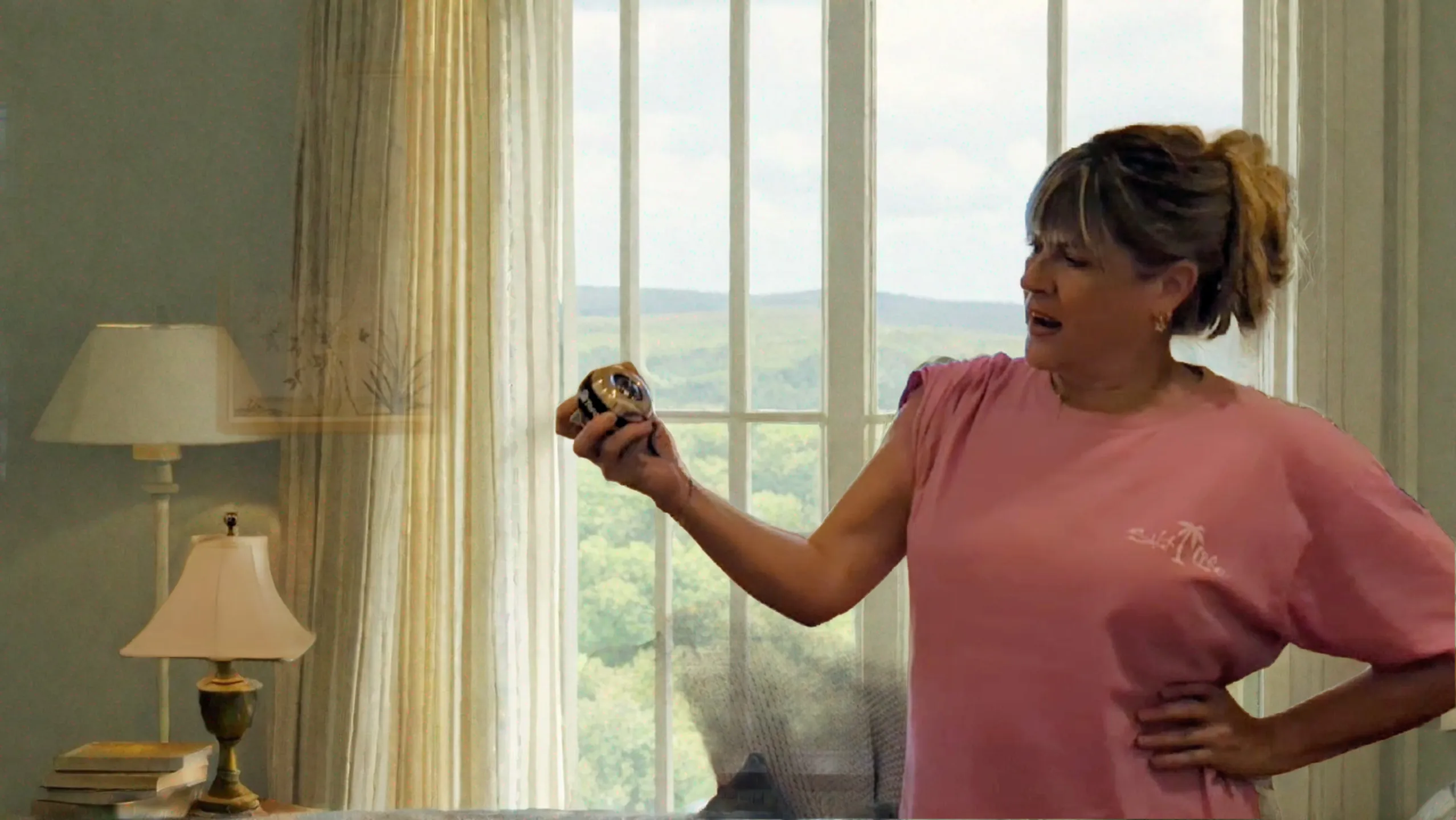
Feels like a fidget spinner for adults. I do it during Countdown! Started at score 1,340 (embarrassing) but hit
9,000 last week. My golf buddies noticed I'm sharper. One
asked what supplement I'm taking. Just this little
spinning gadget from Japan. Already ordered three more for
the guys.
- Benjamin W
I was forgetting whether I'd taken my medication. My
daughter kept suggesting memory care 'just to look.'
Started using NeuroBall during my morning news shows.
Three weeks later, my hands work AND my mind's clear. I
remember every dose, every appointment, every
conversation. Take that, memory care!
- Mary K
Special Pricing Is Limited To Today Only!
Activate a special one-time deal reserved for first-time customers. (As much as 50% OFF)
 Apply Discount & Check Availability